



How to Choose the Right Tarpaulin for Your Needs?
How to Choose the Right Tarpaulin for Your Needs
Whether you’re protecting materials on-site, covering garden furniture, or creating temporary shelter, tarpaulins (or tarps) are one of the most versatile and cost-effective tools you can have. But with so many types, sizes, and grades available, it can be tricky to know which one is best for your job.
Choosing the right tarpaulin makes all the difference between reliable, long-term protection — and a cover that tears or leaks after the first bit of bad weather.
In this guide, we’ll explain how to choose the right tarp based on material, thickness, strength, and purpose, so you can make an informed decision for your next project.
What Is a Tarpaulin?
A tarpaulin is a large sheet made from water-resistant or waterproof material such as polyethylene (PE), canvas, or PVC. They’re designed to provide temporary protection against rain, wind, sunlight, and dirt.
Because they’re flexible and easy to secure, tarpaulins are used across many industries — from construction and agriculture to camping and transport.
Key Factors to Consider When Choosing a Tarpaulin
1. Material Type
The material you choose determines how durable, flexible, and waterproof your tarp will be.
- Polyethylene (PE): Lightweight, waterproof, and UV-resistant. Ideal for general-purpose use like garden covers, site sheeting, and temporary storage.
- Canvas: Breathable and durable, great for long-term outdoor use where moisture build-up needs to be reduced (e.g. covering machinery or vehicles).
- PVC (Vinyl): Extremely tough and fully waterproof — perfect for industrial, marine, or heavy-duty applications.
💡 Tip: For most outdoor projects, high-density polyethylene (HDPE) tarps provide the best balance of strength, weight, and weather resistance.
Thickness & Weight (GSM Rating)
Tarpaulins are often graded by GSM (grams per square metre) — this measures fabric density and strength.
| Tarpaulin Type | Typical GSM | Ideal For |
| Lightweight | 70–100gsm | Short-term covers, camping, garden furniture |
| Medium Duty | 110–160gsm | General outdoor use, DIY projects, temporary shelter |
| Heavy Duty | 170–250gsm | Construction sites, roofing, transport covers |
| Super Heavy Duty | 250gsm+ | Industrial, marine, and long-term outdoor protection |
The higher the GSM, the more tear-resistant and long-lasting the fabric will be — but it will also be heavier and less flexible.
Waterproof vs. Water-Resistant
Not all tarps are fully waterproof.
- Water-resistant tarps repel light rain and splashes but may leak under prolonged exposure.
- Waterproof tarps (such as PVC or laminated PE) can handle continuous rain or snow.
If your tarp will be outdoors for long periods — especially covering tools, timber, or vehicles — always choose waterproof over water-resistant.
UV Protection
UV rays can degrade cheap tarps quickly, causing cracking, fading, and brittleness.
If you’re using your tarpaulin in sunlight for extended periods, opt for a UV-stabilised option. This prevents damage from exposure and extends the life of your cover.
Size and Fit
Measure carefully before buying. Tarpaulins are usually cut size, meaning they’re measured before hemming — the actual finished size can be 5–10 cm smaller on each edge.
Always go slightly larger than your intended coverage area to ensure a secure fit.
Eyelets and Reinforcements
Good-quality tarpaulins include reinforced edges and rust-resistant metal eyelets for securing with bungee cords, rope, or ties.
Heavier-duty tarps may also include corner reinforcements or rope-reinforced hems for extra durability under tension — especially important in windy or exposed environments.
🏗️ Common Uses for Tarpaulins
- Construction: Protect materials, scaffolding, and partially completed structures.
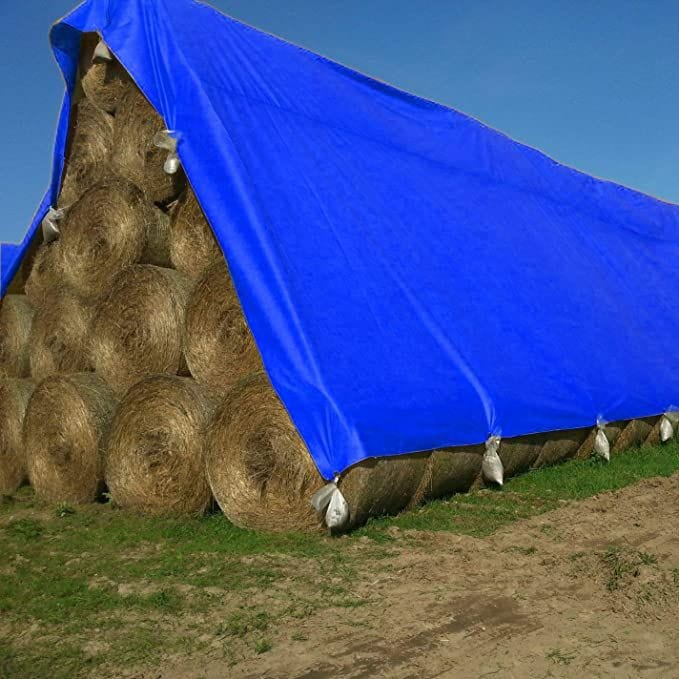
- Agriculture: Cover hay, feed, or machinery from the elements.
- Transport: Secure loads and protect goods during transit.
- Home & Garden: Use as furniture covers, ground sheets, or car/motorbike protection.
- Leisure: Great for camping, festivals, and temporary shelter.
No matter the application, there’s a tarp designed to suit your needs — from lightweight everyday covers to industrial-grade protection.