



The Importance of Scaffold Debris Netting for Construction Safety
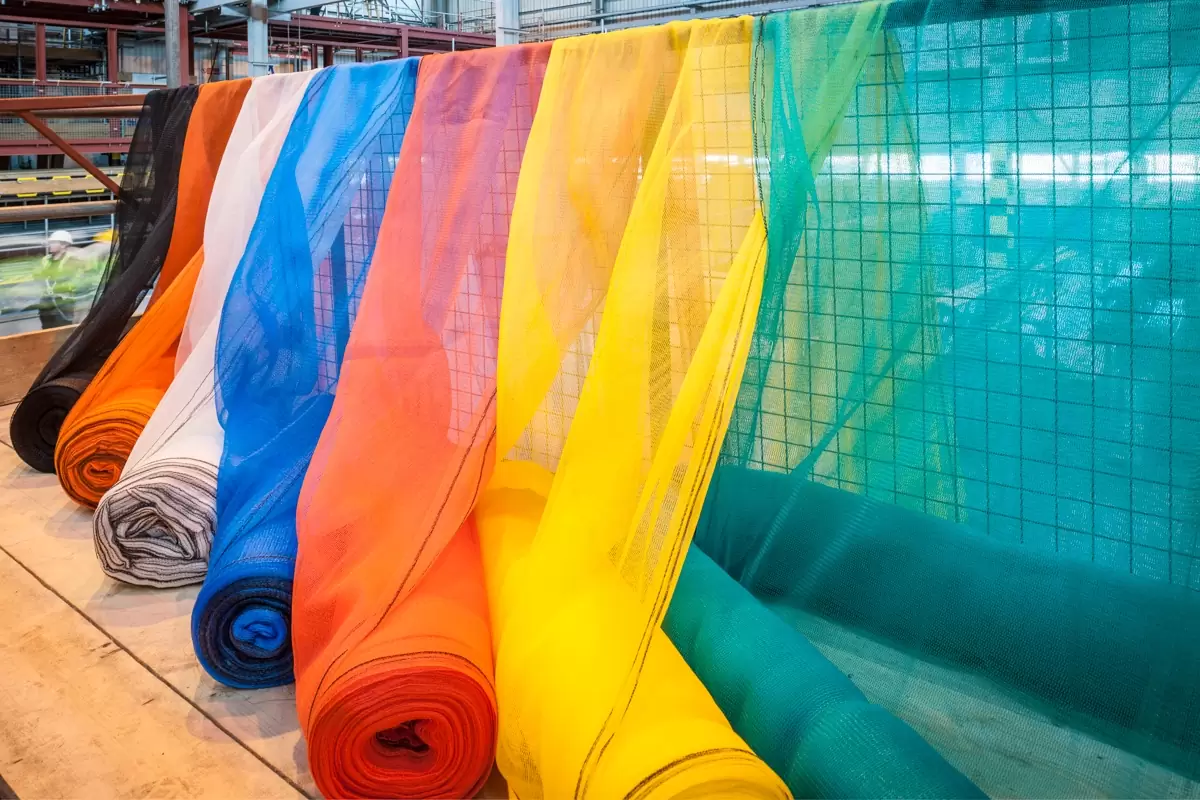
Why Debris Netting Should Be Non-Negotiable on Your Site
Walk past any well-managed construction site and you’ll spot it right away: that mesh wrapping scaffolding or shielding upper floors. That’s debris netting — and it’s doing a lot more than just making the site look tidy.
Debris netting is one of those simple controls that quietly reduces risk, keeps projects compliant, and improves how your site is perceived. It isn’t just “nice to have”; it’s a practical safety measure that protects people, property, and your reputation.
Let’s break down why it matters.
1. Protecting People Below
The biggest reason debris netting exists is straightforward: stuff falls.
Tools, offcuts, packaging, pieces of mortar — it doesn’t take much height for a small object to become dangerous. Netting acts as a barrier so that, if something slips from a scaffold platform or open edge, it’s caught before it can hit a worker, pedestrian, or vehicle below.
That’s especially important in:
- Urban sites with footpaths right next to scaffolding
- Multi-storey refurbishments
- Busy, multi-trade sites where people are constantly moving underneath work areas
Reducing falling-object risk isn’t just good practice — in many places, it’s a legal/contractual requirement when working at height.
2. Containing Mess and Keeping the Site Tidy
Construction is messy by nature, but uncontrolled mess is a problem. Wind can easily blow light materials off a scaffold — plastic, insulation scraps, polystyrene, sand, even dust. Debris netting helps contain that.
That has a few real-world benefits:
- Less time spent cleaning surrounding areas
- Fewer complaints from neighbours
- Less chance of materials blowing into roads or drains
- A generally more professional-looking site
If you work on schools, hospitals, or residential streets, this alone can make the difference between an easy project and a constant stream of “Can you come and clear this up?”
3. Improving Public Perception
People notice sites that look controlled. A scaffold wrapped with netting looks safer than one that’s open with materials hanging everywhere.
For clients and the public, debris netting signals:
- This contractor cares about safety
- This site is being managed
- This work won’t blow into my garden/car/path
In competitive markets, that visual professionalism is valuable.
4. Helping with Weather and Work Conditions
Debris netting isn’t a full weather screen, but it can reduce wind on the platform. That makes it safer and more comfortable for workers, especially at height. Less wind = less chance of materials being blown around = less risk.
Some netting solutions also offer limited privacy/security, helping deter opportunistic theft or unwanted attention to the work area.
5. Supporting Compliance and Risk Reduction
Risk assessments for work at height almost always consider falling objects. Debris netting is a simple, reasonably practicable control — which means if something does go wrong and you didn’t use it, you might have a harder time justifying that decision.
Using it helps you:
- Align with site H&S plans
- Satisfy principal contractors
- Demonstrate you took sensible precautions
It’s a small cost for a big reduction in potential incident severity.
6. Easy to Install, Flexible to Use
One of the underrated things about debris netting is how versatile it is. It can be:
- Fixed to scaffold poles
- Used on temporary fencing to stop litter blowing through
- Wrapped around loading bays or material drops
- Applied to balconies and edge areas on refurb jobs
Because it’s lightweight and cuttable, operatives can cover awkward areas quickly without specialist gear.